Keeping your kitchen clean is essential for a healthy home, but even the most diligent home cooks often overlook certain areas. Your usual cleaning routine might cover wiping down counters, washing dishes, and taking out the trash. However, many hidden spots can harbor bacteria, grime, and unpleasant odors, even if your kitchen looks sparkling clean. In this article, we explore the 10 places you probably forgot to clean in the kitchen and share practical, step-by-step tips to tackle them effectively.
1. Garbage Can
Your garbage can might seem clean after taking out the trash, but leaks from liners often leave behind grime that encourages bacterial growth and odors.
How to clean it:
-
Mix one part vinegar, one part water, and a few drops of mild dish soap in a spray bottle.
-
Remove leftover debris from the can.
-
Spray the inside and outside thoroughly, then scrub stuck-on gunk with a brush.
-
Rinse and dry completely.
-
For ongoing freshness, sprinkle baking soda in the bottom once a week.
2. Behind the Refrigerator
Dust, food crumbs, and grease can accumulate behind your refrigerator, affecting airflow and attracting pests.
Cleaning steps:
-
Unplug and carefully move the refrigerator forward.
-
Remove dust from coils using a soft vacuum brush or microfiber cloth.
-
Wipe the back panel and surrounding walls with a 1:1 vinegar and water solution.
-
Push the fridge back into place.
3. Inside the Cabinets
Cabinets often hide dust, crumbs, and sticky residue from oils or spices.
Cleaning tips:
-
Empty cabinets completely.
-
Use a vacuum attachment or brush to remove dust and crumbs.
-
Wipe interiors with warm, soapy water using a microfiber cloth, then dry thoroughly.
-
Clean or replace shelf liners and check pantry items for expiration.
4. Small Appliances
Daily-use appliances such as microwaves, toasters, and air fryers can accumulate grime quickly.
Microwave:
-
Mix two cups of water with two tablespoons of white vinegar in a microwave-safe bowl.
-
Heat until it steams, then wipe down the interior.
-
Clean the turntable with dish soap.
Air Fryer:
-
Unplug and remove baskets and grates.
-
Soak in hot, soapy water.
-
For tough messes, use a 1:1 vinegar and water solution to scrub components.
-
Dry before reassembling.
Toaster/Toaster Oven:
-
Unplug and remove crumb trays for washing in hot, soapy water.
-
Wipe exteriors with warm, soapy water and a microfiber cloth.
5. Kitchen Sponges
Sponges are notorious breeding grounds for bacteria if not sanitized regularly.
Sanitization methods:
-
Place on the dishwasher top rack during a heated dry cycle.
-
Microwave a damp sponge for up to 60 seconds (watch carefully).
-
Boil in water for 5–10 minutes for a deep clean.
-
Replace sponges every few weeks to prevent bacterial buildup.
6. Coffee Maker
Coffee residue, mineral buildup, and bacteria can accumulate inside your coffee maker.
Deep cleaning:
-
Fill the reservoir with ½ cup water and ½ cup white vinegar.
-
Run half a drip cycle, pause for 30 minutes, then complete the cycle.
-
Rinse by running two cycles with plain water.
-
Clean the exterior with a microfiber cloth.
7. Pet Bowls
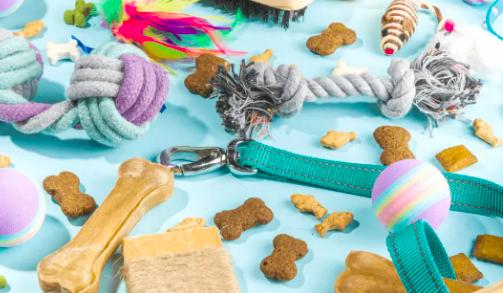
Pet bowls are often overlooked but can harbor harmful germs.
Cleaning tips:
-
Wash by hand with hot water and soap, rinse thoroughly, and air dry.
-
Dishwasher-safe bowls can be placed on the top rack to prevent damage.
-
Regular cleaning prevents bacteria from spreading to pets and kitchen surfaces.
8. Silverware
Silverware can lose its shine and develop surface stains over time.
Cleaning tips:
-
Soak in warm, soapy water and scrub gently with a soft sponge.
-
For stubborn stains, make a paste of baking soda and warm water.
-
Rinse thoroughly and dry with a soft towel to prevent water spots.
9. Cutlery Tray
The tray that holds your silverware can accumulate crumbs, dust, and moisture quickly.
Cleaning steps:
-
Remove all utensils and shake out debris.
-
Use a vacuum or damp cloth to remove remaining particles.
-
Wash with soapy water or in the dishwasher if safe.
-
Dry completely before returning silverware.
10. Cutting Board
Cutting boards can absorb food particles and moisture, developing stains and odors over time.
Cleaning method:
-
Wash after each use with hot, soapy water.
-
For a deeper clean, sprinkle coarse salt or baking soda, rub with a halved lemon, and rinse.
-
Avoid soaking wooden boards to prevent warping.
-
Apply food-safe mineral oil to maintain moisture resistance and prevent bacteria buildup.
Keep Your Kitchen Truly Clean
Even the tidiest kitchens can hide forgotten messes, but proper maintenance can drastically reduce bacteria and odors. By incorporating these ten overlooked areas into your cleaning routine, you ensure a safer, fresher, and more hygienic kitchen environment. If cleaning feels overwhelming, professional services like The Cleaning Authority can scrub, sanitize, and restore your kitchen to sparkling condition.