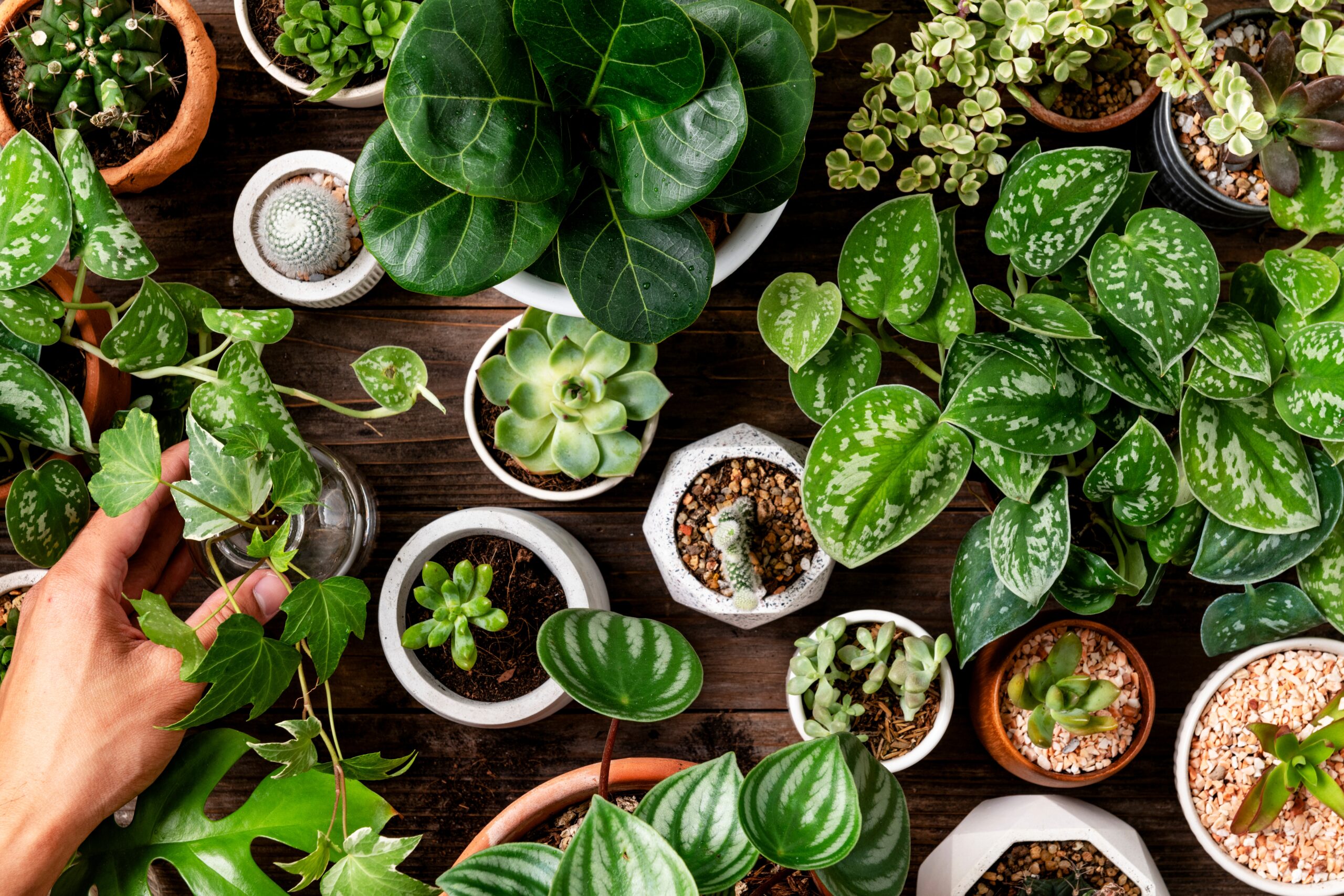
Indoor plants do more than just liven up a room, they also play an important role in improving the air you breathe every day. With modern homes often sealed tightly to conserve energy, indoor air can become trapped with dust, allergens, and harmful chemicals. Choosing the best indoor plants for fresh air is a simple, affordable, and natural way to improve indoor air quality while enhancing your living space.
This comprehensive guide explains how indoor plants purify the air, the key benefits they provide, and the best air purifying houseplants to grow in your home. You will also learn essential care tips to keep your plants healthy and effective long term.
Benefits of Indoor Plants
One of the primary reasons people keep houseplants is to improve indoor air quality. Plants naturally absorb carbon dioxide and release oxygen through photosynthesis. In addition, many indoor plants can reduce airborne dust and help filter volatile organic compounds (VOCs) commonly found indoors.
VOCs such as benzene, formaldehyde, ammonia, and xylene are released from furniture, cleaning products, paints, and building materials. Prolonged exposure to these pollutants may contribute to headaches, allergies, and respiratory discomfort. Certain houseplants absorb these toxins through their leaves and roots, helping to create cleaner indoor air.
Beyond air filtration, indoor plants offer several additional benefits.
Reduced Stress and Improved Well-Being
Studies show that being around plants can lower stress levels and promote relaxation. The presence of greenery indoors creates a calming environment that supports emotional balance and mental well-being.
Increased Productivity and Mental Clarity
Indoor plants have been linked to improved concentration, memory, and learning abilities. Offices and study spaces with plants often report higher productivity and better focus compared to plant-free environments.
Noise Reduction
Foliage helps absorb sound waves, reducing background noise from both indoor and outdoor sources. This makes indoor plants especially useful in apartments, offices, and busy households.
Affordable and Attractive Home Decor
Houseplants act as beautiful and inexpensive decor elements. They add color, texture, and life to any room without the need for major renovations or costly furnishings.
How Indoor Plants Clean the Air
Indoor plants purify air through a combination of leaf absorption and root-based microbial activity. Leaves absorb airborne toxins, while beneficial microorganisms in the soil break down harmful compounds. This natural filtration process works continuously as long as the plant remains healthy.
While no plant can replace proper ventilation, adding multiple air purifying plants throughout your home can significantly enhance overall air quality.
Best Houseplants That Clean the Air
Below are some of the best indoor plants for fresh air. These plants are not only effective at air purification but are also easy to care for, making them ideal for beginners and experienced plant owners alike.
Peace Lily
The peace lily is one of the most popular air purifying houseplants due to its elegant appearance and strong toxin filtering abilities. It helps remove formaldehyde, benzene, and ammonia from indoor air.
Peace lilies thrive in cool rooms with indirect sunlight. Water the plant when the leaves begin to droop slightly. Overwatering should be avoided, as soggy soil can damage the roots.
Rubber Plant
The rubber plant features thick, glossy leaves that are excellent at trapping airborne pollutants. It is particularly effective at reducing formaldehyde levels.
This hardy houseplant tolerates low light conditions and does not require frequent watering. Allow the soil to dry moderately between watering sessions to keep the plant healthy.
Boston Fern
Boston ferns are graceful plants known for their lush, arching fronds. They help remove toxins while also increasing humidity levels, which can benefit dry indoor environments.
They grow best in indirect sunlight and humid conditions. Keep the soil consistently moist and mist the leaves weekly to maintain optimal moisture levels.
Aloe Vera
Aloe vera is a popular succulent with both air purifying and medicinal benefits. It helps remove formaldehyde and benzene from the air while producing oxygen at night.
Place aloe vera on a sunny windowsill and water it sparingly. The gel inside the leaves can be used to soothe minor burns and skin irritation.
Sanseveria (Snake Plant)
Sanseveria, commonly known as the snake plant, is one of the most resilient indoor plants available. Its upright leaves can grow up to four feet tall and require minimal care.
This plant thrives in bright or low light and only needs occasional watering. It is especially valued for releasing oxygen at night, making it ideal for bedrooms.
Spider Plant
The spider plant is a classic hanging plant known for its long, arching leaves and baby plant offshoots. It is highly effective at removing carbon monoxide and other airborne toxins.
Spider plants prefer bright, indirect sunlight and adapt well to occasional missed watering. Rotate the pot weekly to ensure even growth and balanced foliage.
How Many Plants Do You Need for Clean Indoor Air
The number of plants needed depends on room size and ventilation. A general recommendation is one medium-sized plant for every 100 square feet of space. Placing plants in multiple rooms ensures more consistent air purification throughout your home.
Grouping different plant types together also enhances their effectiveness, as each plant targets different pollutants.
Best Rooms for Air Purifying Plants
Certain rooms benefit more from air purifying plants due to higher pollutant levels.
Living rooms often contain furniture and electronics that release VOCs, making them ideal for larger plants like rubber plants or peace lilies.
Bedrooms benefit from plants such as sanseveria and aloe vera, which release oxygen at night.
Bathrooms with adequate light are perfect for humidity-loving plants like Boston ferns.
Kitchens may benefit from spider plants that help neutralize cooking-related pollutants.
General Houseplant Care Tips
In addition to specific watering and sunlight needs, proper maintenance ensures your plants remain healthy and effective.
Dust the Leaves Regularly
Dust buildup can block sunlight and reduce a plant’s ability to absorb toxins. Wipe leaves gently with a damp cloth or microfiber towel once a month.
Prune When Necessary
Remove yellowing leaves, trim dead stems at the soil line, and clip old buds to encourage new growth and maintain plant health.
Monitor for Pests
Inspect leaves, stems, and soil regularly for signs of insects. Early detection allows for gentle treatments suited to the plant type and pest involved.
Avoid Overwatering
Overwatering is one of the most common causes of plant failure. Always check soil moisture before watering and ensure pots have proper drainage.
Provide Proper Light
Each plant has unique light requirements. Position plants where they receive appropriate lighting to promote growth and effective air purification.
Final Thoughts on Indoor Plants for Fresh Air
Adding indoor plants to your home is one of the easiest and most natural ways to improve air quality while enhancing comfort and style. By selecting the right plants and providing basic care, you can enjoy cleaner air, reduced stress, and a healthier indoor environment all year round.