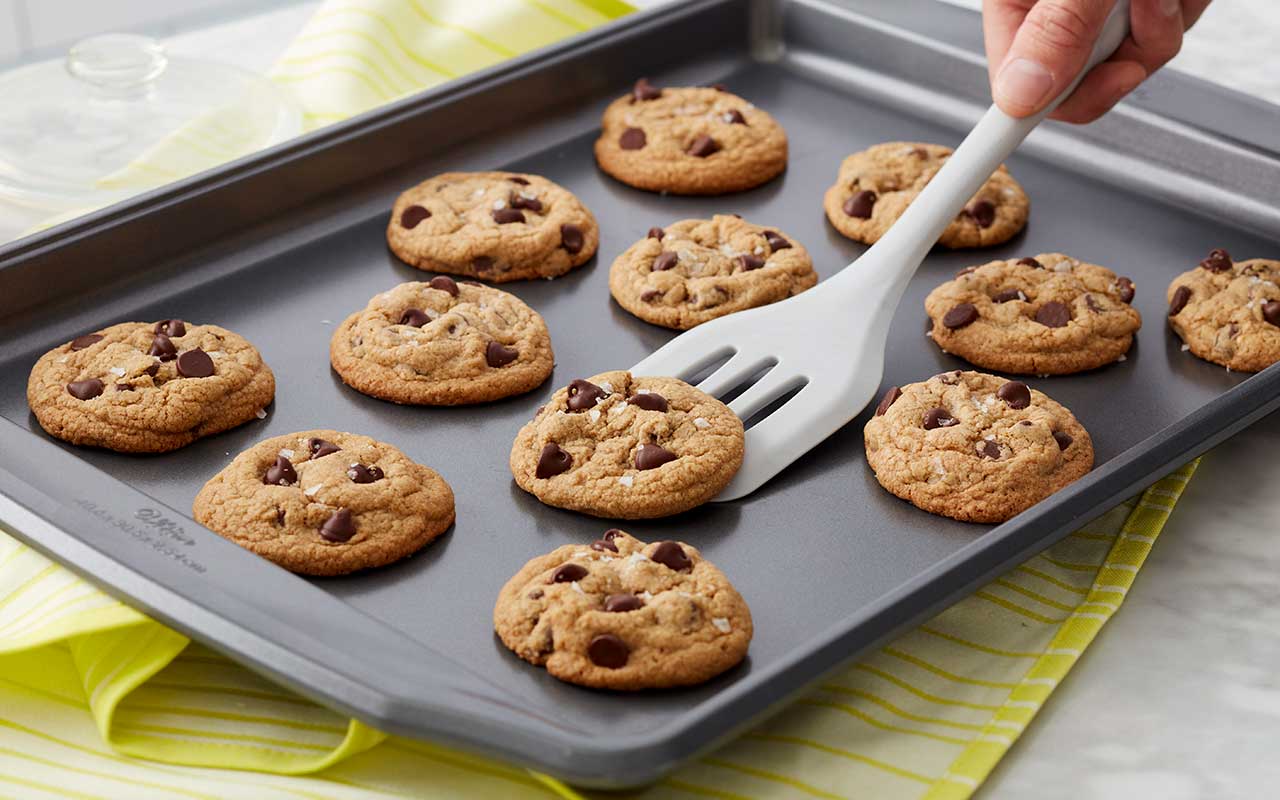
Cookie sheets are an essential tool in every kitchen, but keeping them clean can feel like a never-ending challenge. Whether it’s burnt-on crumbs, mystery stains, or rust forming in the corners, cleaning cookie sheets can quickly become frustrating. If your cookie sheets only looked pristine the day you bought them, you’re not alone. Luckily, with the right methods, cleaning them can be easy, effective, and even enjoyable.
In this guide, we’ll cover everything you need to know to restore your cookie sheets to their “like new” condition, prevent future buildup, and keep your bakeware in excellent shape.
How to Clean Cookie Sheets: The Basics
Maintaining your cookie sheets regularly is the best way to prevent tough stains and baked-on messes. Daily care ensures that you won’t have to spend hours scrubbing away stubborn residue later. Here’s how to clean cookie sheets after everyday use:
Remove Food Residue While Warm
- After baking, allow your cookie sheets to cool slightly, but keep them warm enough to make residue malleable.
- Use a dishcloth or folded paper towels to carefully wipe away melted cheese, crumbs, or grease.
Wash with Gentle Soap
- Fill your sink with warm water and add a few drops of mild dish soap.
- Wash the cookie sheet by hand, paying close attention to corners and edges where residue tends to accumulate.
Dry Immediately
- Prevent rust by drying your sheets thoroughly after washing.
- Use a cloth or paper towel and make sure to dry the underside of the rim where water often gets trapped.
Pro Tip: Avoid letting cookie sheets air-dry, as lingering moisture can lead to rust over time.
Can You Wash Cookie Sheets in the Dishwasher?
While it may seem convenient, dishwasher cleaning is not ideal for most cookie sheets. Here’s why:
-
Warping Risk: High heat and vigorous water jets can cause sheets to warp, especially thin aluminum ones.
-
Discoloration and Coating Damage: Strong dishwasher detergents can damage the finish or coating on baking sheets, leaving stains or reducing their nonstick properties.
-
Rust Formation: If your dishwasher doesn’t fully dry after the cycle, moisture can collect on the sheets and promote rust.
Recommendation: Stick to hand washing whenever possible to protect your cookie sheets and extend their lifespan.
How to Clean Baked-On Food from Cookie Sheets
Baked-on food doesn’t have to mean a ruined cookie sheet. A surprising and gentle ingredient, cream of tartar, works wonders for even nonstick sheets. Here’s the method:
-
Sprinkle enough cream of tartar to cover the surface evenly.
-
Lightly spritz with white vinegar to activate the cream of tartar.
-
Let it sit overnight for maximum effect. The longer it sits, the easier it is to remove stubborn residue.
-
Scrub with warm water and a soft sponge until the buildup comes off.
-
Wash the sheet as usual with dish soap and dry thoroughly.
Extra Tip: For extra tough spots, repeat the process or let the mixture sit a few hours longer.
Removing Grease from Baking Sheets
Baked-on grease can be particularly stubborn, but it’s manageable with a simple method using baking soda and vinegar:
-
Evenly sprinkle ¼ cup of baking soda over the greasy cookie sheet.
-
Slowly pour ¼ cup of white vinegar on top. Watch as it fizzes this reaction helps lift the grease.
-
Plug your sink and fill it with hot water, or submerge the sheet in a large container of hot water.
-
Let the sheet soak for 30–60 minutes. More grime requires longer soaking.
-
Scrub with a scrub pad (for aluminized steel) or a soft cloth (for nonstick and aluminum). Heavy residue may need a few minutes of vigorous scrubbing.
-
Wash with dish soap and warm water, then dry immediately.
Pro Tip: Avoid metal scrubbers on nonstick surfaces to prevent scratching.
How to Remove Rust from Cookie Sheets
Rust is a common problem when sheets aren’t dried properly or stored in damp conditions. Baking soda can help remove rust without harming your bakeware:
-
Cover rust spots with a generous layer of baking soda.
-
Let it sit for 30 minutes. For stubborn rust, you may need to repeat the process on both sides.
-
Gently scrub the rust spots with a soft sponge and warm water.
-
Wash the cookie sheet as usual and dry immediately.
Extra Tip: To prevent rust in the future, lightly coat metal cookie sheets with cooking oil before storing them.
Additional Tips for Maintaining Cookie Sheets
-
Use Parchment Paper or Silicone Mats: This reduces direct contact with food, making cleaning easier.
-
Avoid Metal Utensils: Scraping with metal can damage the surface and make cleaning more difficult.
-
Store Properly: Stack sheets with paper towels or cloth in between to prevent scratching and moisture buildup.
-
Regular Deep Cleaning: Even if sheets appear clean, deep clean once a month to remove invisible grease and food residue.
When to Replace Cookie Sheets
Despite your best cleaning efforts, some cookie sheets may reach the end of their life. Replace them if:
-
Nonstick coating peels or scratches extensively.
-
Rust cannot be fully removed.
-
Warping prevents even baking.
Using quality cookie sheets and following these cleaning methods will extend their lifespan and ensure consistently perfect baked goods.
Conclusion
Cleaning cookie sheets doesn’t have to be a dreaded chore. By following these step-by-step methods for everyday cleaning, baked-on food, grease, and rust, you can restore your cookie sheets to a like-new condition. Regular maintenance, proper storage, and gentle cleaning agents are your keys to keeping bakeware in top shape. With these tips, your cookie sheets will be ready for every baking session, producing delicious cookies without any unwanted residue.