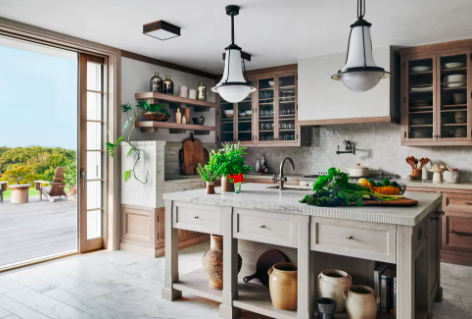
Kitchen cabinets are among the most frequently touched surfaces in your home. From fingerprints to spills and grease splatters, they quickly collect dirt, dust, and bacteria. Keeping your kitchen cabinets clean not only maintains a fresh, welcoming environment but also promotes a healthier home. Whether you have painted, wood, or glass cabinets, this guide will walk you through the most effective, safe, and natural methods to clean and maintain them.
The Basics of Cleaning Kitchen Cabinets
Cleaning kitchen cabinets may seem straightforward, but there are techniques and best practices that help preserve their finish while effectively removing dirt. Follow these basic principles for a successful cleaning routine:
1. Remove Dust Before Wiping
Dust can act like sandpaper, causing scratches when combined with cleaning solutions. Always remove dust from your cabinets first using a dry microfiber cloth or a vacuum with a soft brush attachment.
2. Use Soft Cloths and Sponges
Microfiber cloths or soft sponges are ideal for cleaning kitchen cabinets. Avoid abrasive scrubbers or rough brushes, which can scratch or chip paint, varnish, or laminate finishes.
3. Avoid Harsh Chemicals
Bleach, ammonia, and other strong cleaners may damage your cabinets, especially painted or wooden surfaces. Natural alternatives such as diluted dish soap, vinegar, or olive oil are safer and environmentally friendly.
4. Clean Hardware Separately
Cabinet knobs, handles, and hinges collect oils and grime from hands. Remove hardware if possible and clean it with warm, soapy water. If not removable, focus on cleaning thoroughly around these areas to prevent bacteria buildup.
5. Clean the Interiors
Use a vacuum to remove crumbs, dust, and debris from cabinet interiors. Wipe the surfaces with a damp cloth and dry immediately to prevent moisture damage.
6. Dry Immediately
After cleaning, use a soft towel to dry all surfaces. Standing water can seep into wood seams or cause swelling in laminate or MDF cabinets.
How to Clean Painted Cabinet Doors
Painted cabinets, often finished with high-gloss or semi-gloss paint, are durable but still require gentle cleaning methods to avoid damage.
-
Use Warm Water and Dish Soap: Mix a few drops of mild dish soap with warm water. This solution is strong enough to remove grease and stains without stripping paint.
-
Let the Cleaner Sit: For tough spots, allow the soapy water to sit for a few minutes before wiping with a microfiber cloth.
-
Frequent Wiping for White Cabinets: White cabinets show dirt more easily, so wipe them regularly to maintain brightness. For deeper stains, use the same mild dish soap mixture and gently scrub.
Avoid abrasive brushes, harsh chemicals, or excessive scrubbing, as these can remove paint and cause uneven surfaces.
How to Clean Wood Cabinets Without Damaging the Finish
Wood cabinets require extra care to maintain their natural beauty and protective coatings.
Step-by-Step Guide:
-
Dust First: Always remove surface dust before applying any liquid cleaner.
-
Spot Test: Use a diluted vinegar and water solution on a small, inconspicuous area to ensure it won’t harm the finish.
-
Wipe Gently: Apply the cleaner with a soft cloth and wipe in the direction of the wood grain. Avoid soaking the wood.
-
Dry Immediately: Remove all moisture promptly to prevent water damage, warping, or mold growth.
-
Condition Occasionally: For added protection, use a small amount of olive oil or wood conditioner to maintain luster and reduce drying or cracking over time.
Wood cabinets with a clear finish, stain, or lacquer benefit from gentle cleaning methods to preserve their long-term appearance.
How to Clean Glass Cabinet Doors Without Leaving a Residue
Glass cabinets are elegant but show fingerprints, dust, and smudges more clearly than other surfaces.
Best Cleaning Methods:
-
Mild Soap and Water: Mix a small amount of dish soap with warm water.
-
Vinegar Solution: Combine equal parts water and vinegar for a streak-free shine.
-
Microfiber Cloth: Avoid paper towels or rough cloths to prevent scratches and streaks.
Additional Tips:
-
Avoid leaving the solution on the glass too long to prevent cloudy residue.
-
Be careful with non-tempered glass as excessive pressure can cause chips or cracks.
-
For stubborn grease, a few drops of dish soap in the vinegar-water solution works wonders.
Tips for Cleaning Floating Cabinets and Hard-to-Reach Surfaces
Floating cabinets, high shelves, or top surfaces of tall cabinets are easy to overlook but can accumulate dust and grime.
-
Use Safe Tools: Step stools, extendable dusters, or microfiber cloths on long handles prevent unsafe climbing on counters or chairs.
-
Choose the Right Cleaner:
-
Painted or laminate cabinets: mix one teaspoon of mild dish soap with warm water.
-
Wood cabinets with clear finish: use a 1:1 solution of white vinegar and warm water. Add a tablespoon of olive oil for conditioning.
-
-
Dry Thoroughly: Moisture pooling on top of cabinets can cause mold or warping. Always wipe dry after cleaning.
Extra Tips for Maintaining Spotless Cabinets
-
Wipe Spills Immediately: Prompt cleaning prevents stains from setting.
-
Establish a Routine: A quick weekly wipe-down prevents buildup.
-
Avoid Standing Water: Even minor water exposure can damage cabinets over time.
-
Use Gentle Scrubbing Only When Necessary: For tough grease or sticky residue, use a soft-bristled brush and mild soap.
-
Keep Cleaning Products Simple: Stick to natural, gentle cleaners for long-term cabinet preservation.
Conclusion
Cleaning kitchen cabinets does not have to be a daunting task. By following these methods and tips, you can maintain a bright, hygienic, and beautiful kitchen environment. From painted and wood cabinets to glass doors and floating shelves, the key is to use gentle, safe cleaning solutions, soft cloths, and consistent maintenance. Incorporating these practices into your kitchen routine ensures that your cabinets remain spotless, your kitchen looks its best, and your home stays healthy for everyone.
By dedicating just a little time and attention to cabinet care, you can enjoy a kitchen that shines every day, impresses guests, and supports a longer-lasting kitchen finish.