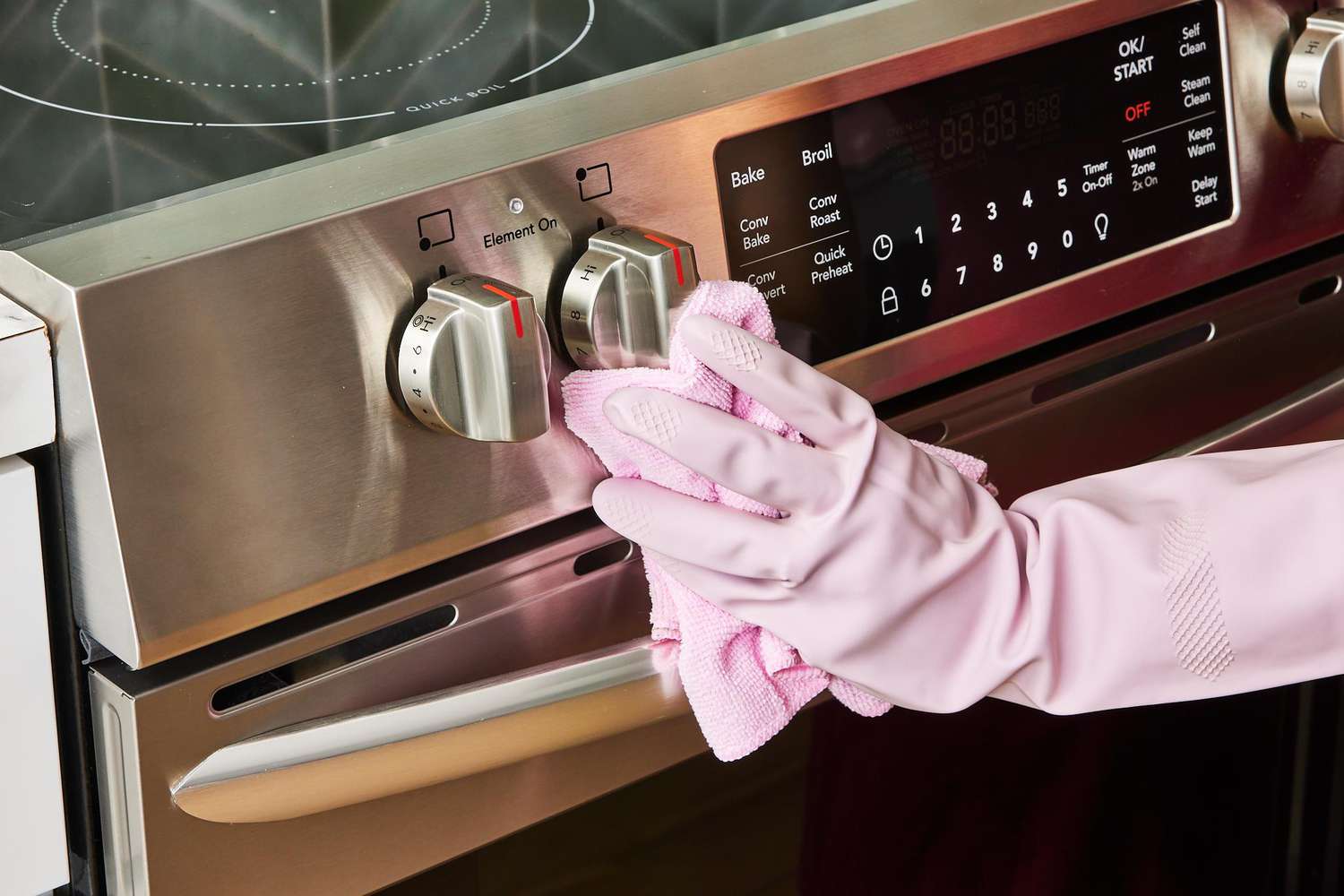
Let’s face it, cleaning your oven is one of those household chores everyone avoids until the smoke alarm goes off from last month’s lasagna spill. The good news is oven cleaning doesn’t have to be a nightmare. Whether you're tackling baked-on grease or simply refreshing your oven, this comprehensive guide will show you how to get your oven sparkling clean with ease, using natural and safe methods.
Why Clean Your Oven Regularly?
Cleaning your oven isn’t just about appearances. Grease, food residue, and spills can affect your oven’s performance, produce unpleasant odors, and even cause smoke while cooking. Regular cleaning helps:
-
Improve cooking efficiency
-
Prevent smoke and lingering smells
-
Reduce fire hazards
-
Maintain oven longevity
-
Ensure food tastes better
A clean oven is a safer, more efficient, and more pleasant kitchen appliance.
What You’ll Need for Natural Oven Cleaning
Before diving in, gather these simple tools and ingredients:
-
Baking soda
-
White vinegar
-
Spray bottle
-
Rubber gloves
-
Scraper or plastic spatula
-
Scrubbing brush or grout brush
-
Microfibre cloth or sponge
-
Optional: Dish soap, lemon, or commercial oven cleaner
Having these on hand will make the process smoother and faster.
Step-By-Step Guide: How to Clean Your Oven Naturally
Step 1: Remove the Racks
Take out the oven racks and set them aside. Cleaning them separately in the sink or bathtub allows you to tackle the oven interior more easily.
Step 2: Make a Baking Soda Paste
Mix ½ cup of baking soda with a few tablespoons of water until you get a spreadable paste. Adding a drop of dish soap boosts its grease-cutting power. Baking soda is gentle yet effective, making it ideal for natural oven cleaning.
Step 3: Apply the Paste
Wearing gloves, spread the paste all over the oven’s interior, avoiding the heating elements. Cover corners, the bottom, and the door. Let it sit overnight (8–10 hours) for maximum effectiveness.
Step 4: Soak the Racks
Fill your bathtub with warm water and add a few drops of dish soap or ½ cup of vinegar. Let the racks soak for several hours, then scrub with a brush or sponge and rinse thoroughly.
Step 5: Wipe and Spray
After the baking soda paste has done its work, wipe it off with a damp cloth. For stubborn spots, gently scrape with a plastic spatula. Spray vinegar onto the interior—the fizzing reaction lifts any remaining grime. Wipe clean until the oven shines.
Step 6: Clean the Oven Door
Use the baking soda paste or a vinegar-water mixture to clean the glass. Let it sit for 15–20 minutes, scrub gently, and wipe clean. Streak-free glass ensures your oven looks brand new.
Step 7: Replace the Racks
Once everything is dry and spotless, return the racks to their original positions. Your oven is now ready for cooking without leftover residue.
Quick Tip: Self-Cleaning Ovens
If your oven has a self-cleaning function, follow the manufacturer’s instructions carefully. Ventilate your kitchen, as this process can produce strong odors and smoke. Self-cleaning is convenient but may use extreme heat that can wear down your oven over time. Natural cleaning is safer and chemical-free.
Optional: Freshen Your Oven
Want a pleasant aroma while keeping your oven clean? Place a heat-safe dish with lemon slices in water and heat at low temperature for 15–20 minutes. The steam loosens minor grime while leaving a fresh citrus scent.
Common Oven Cleaning Mistakes to Avoid
Even with the best intentions, these errors can make cleaning harder:
-
Using harsh chemicals unnecessarily – They can leave residue and odors.
-
Scrubbing while the oven is hot – This can cause burns or damage surfaces.
-
Ignoring the door and corners – Grease builds up in hidden spots.
-
Skipping regular maintenance – Letting spills accumulate makes cleaning overwhelming.
-
Neglecting racks – Dirty racks can reduce heat circulation and efficiency.
Avoiding these mistakes ensures faster, safer, and more effective cleaning.
Alternative Natural Cleaners
Besides baking soda and vinegar, you can use:
-
Lemon juice – A natural degreaser and deodorizer.
-
Salt and water paste – Effective for minor grime and safe on glass.
-
Cream of tartar – Works as a gentle abrasive for stubborn stains.
These options give flexibility depending on what you have on hand.
Pro Oven Maintenance Tips
Keeping your oven clean is easier with regular care:
-
Wipe up spills immediately after the oven cools.
-
Use a silicone mat or oven liner to prevent drips.
-
Regularly check for buildup around heating elements and vents.
-
Schedule a deep clean every 2–3 months depending on usage.
-
Avoid placing foil directly on the oven floor, which traps grease.
Consistent upkeep prevents heavy-duty scrubbing sessions.
FAQs About Oven Cleaning
Q1: Can I use vinegar and baking soda together in my oven?
Yes. Apply baking soda paste first, then spray vinegar to create a fizzing reaction that lifts grime.
Q2: How long should I leave the baking soda paste on?
For best results, leave it 8–10 hours or overnight.
Q3: Are commercial oven cleaners better than natural methods?
Commercial cleaners can work faster but contain harsh chemicals. Natural methods are safer, chemical-free, and effective when done properly.
Q4: How often should I deep clean my oven?
Every 2–3 months, or more frequently if spills occur often. Regular wiping after each use keeps your oven cleaner for longer.
Final Thoughts
Cleaning your oven doesn’t have to be a dreaded chore. With common household items, a little patience, and these detailed instructions, you can remove baked-on grease, spills, and odors naturally. A clean oven improves safety, efficiency, and the taste of your food, making your kitchen a more pleasant place.