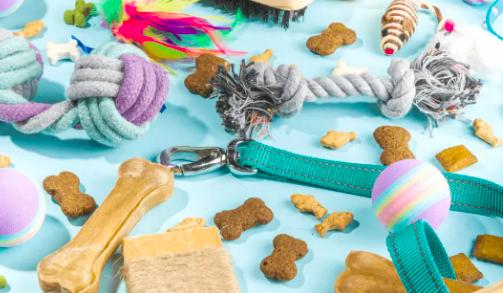
Keeping your pets healthy and happy goes beyond feeding and playtime – it also means maintaining a clean environment for them. From collars and leashes to food bowls and toys, your pet’s supplies can harbor bacteria, allergens, and dirt that may affect both your pet’s and your family’s health. Proper cleaning techniques not only prolong the life of your pet’s items but also prevent illness and odors. In this complete guide, we’ll walk you through the best methods to clean your pet’s most frequently used supplies, ensuring a safe and hygienic home for everyone.
Why Cleaning Your Pet’s Supplies Is Important
Pets spend a lot of time interacting with their belongings. Food, saliva, dirt, and outdoor debris can accumulate quickly, turning toys, beds, and bowls into hotspots for bacteria, yeast, and mold. According to the National Safety Federation, pet food bowls rank among the fourth germiest household item, while toys are the seventh. Regular cleaning reduces the risk of infections, allergies, and unpleasant odors in your home.
Cleaning also preserves the integrity of pet items. Leather collars, plush toys, and delicate fabrics can wear out faster if not maintained correctly. By following proper cleaning schedules and techniques, you extend the lifespan of these supplies while keeping your pet safe.
Cleaning Collars and Leashes
Think of your pet’s collar or leash as a piece of clothing you wear every day. Over time, it can accumulate dirt, oils, and bacteria. To keep your pet safe and smelling fresh:
Washing Fabric Collars and Leashes
Most collars and leashes are made from nylon or polyester, which are machine washable. Place them in a garment bag and wash on a delicate cycle with mild detergent. Alternatively, hand wash with hot water and soap. Rinse thoroughly and hang to air dry.
Caring for Leather Collars
Leather collars require more gentle care. Soak the collar in a bowl of hot water mixed with a few drops of pet shampoo for 10–15 minutes. Use a toothbrush to remove stains or dirt. Rinse thoroughly and let it air dry. Regular leather conditioner can help prevent cracking and maintain flexibility.
Cleaning Pet Beds and Blankets
Pet bedding and blankets absorb hair, dirt, allergens, and odors, making regular washing essential.
How Often to Wash
Washing your pet’s beds weekly is recommended, especially for pets that shed heavily or spend time outdoors. Blankets may need more frequent cleaning if your pet has allergies or tracks in dirt.
Washing Tips
-
Check manufacturer tags: Follow recommended temperatures and drying instructions.
-
Use unscented detergent: Protect pets with sensitive skin.
-
Vacuum first: Remove loose hair before washing to avoid clogging your washing machine.
-
Drying: Air drying or tumble drying on low heat is ideal to preserve fabric and prevent shrinkage.
Deep Cleaning for Heavy Soilers
If your pet’s bed has absorbed urine or odors, pre-treat the fabric with an enzyme cleaner before washing. Repeat washing if necessary, and ensure the bed is fully dry before use to prevent mold growth.
Cleaning Food and Water Bowls
Pet bowls are high-contact items that require daily cleaning to prevent bacterial buildup.
Handwashing Pet Bowls
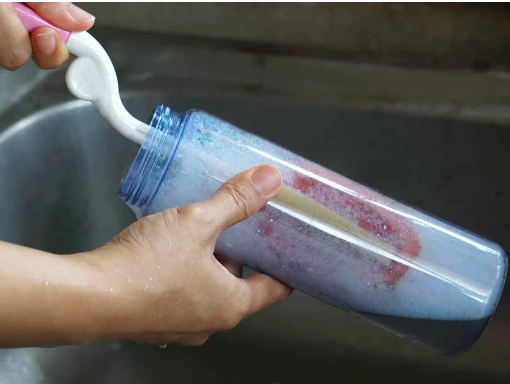
Wash bowls with hot water and pet-safe soap. Rinse thoroughly and air dry. Pay extra attention to crevices where bacteria may hide, such as textured bottoms or seams.
Dishwasher Cleaning
Many bowls are dishwasher safe. Place them on the top rack and run a full cycle. Adding a tablespoon of vinegar can help sanitize and remove lingering odors. Daily washing is crucial to prevent harmful bacteria from accumulating.
Don’t Forget the Food Scoop
Pet food scoops can harbor bacteria and should also be cleaned regularly. Wash with hot, soapy water and air dry before returning to the food container.
Cleaning Pet Toys
Toys are a major source of germs, especially if your pet plays outdoors or shares toys with other pets.
Soft Toys
Soft toys, including plush animals or fabric squeaky toys, can be washed in the washing machine using a garment bag and a natural, unscented detergent. For added sanitation, include a rinse cycle with a baking soda and vinegar solution. Air dry or use a low-heat setting in the dryer. Inspect toys regularly for fraying, exposed stuffing, or damaged squeakers and discard unsafe items.
Hard Toys
Hard toys such as balls, frisbees, and rubber chew toys can be hand washed using hot water, soap, and a scrub brush. Dishwasher-safe toys can be placed on the top rack with two tablespoons of vinegar at the bottom to boost sanitation. Wash toys at least once a month or more often if heavily used outdoors.
Additional Pet Supply Cleaning Tips
-
Brushes and Grooming Tools:
Clean brushes, combs, and grooming tools weekly. Remove hair first, then soak in warm, soapy water. Scrub bristles and rinse thoroughly. -
Pet Carriers and Crates:
Carriers and crates should be wiped down weekly with a mild detergent. For plastic crates, a disinfectant safe for pets can help eliminate bacteria. -
Water Fountains:
If your pet uses a water fountain, clean it every few days to prevent slime and bacteria buildup. Disassemble components and wash with hot water and mild detergent. -
Outdoor Gear:
If your pet wears boots, raincoats, or life vests, rinse off dirt and mud after each use. Machine washable items should follow manufacturer instructions, while non-washable items can be hand scrubbed and air dried.
Creating a Cleaning Schedule
Maintaining a regular cleaning schedule reduces the risk of illness and keeps your home smelling fresh. Here’s a simple guideline:
-
Daily: Food and water bowls, scoops
-
Weekly: Beds, blankets, brushes, grooming tools, crates
-
Monthly: Collars, leashes, harnesses, soft and hard toys
Consistency ensures your pet’s environment remains hygienic and comfortable while minimizing wear and tear on their belongings.
Conclusion
Regular cleaning of your pet’s supplies is not just about aesthetics – it is an essential part of responsible pet care. By cleaning collars, leashes, beds, blankets, toys, and bowls properly and consistently, you protect your pet from bacteria, allergens, and potential illness. A clean home benefits both pets and their human family members, creating a healthy, happy environment. Following this guide ensures that your pets’ favorite items stay safe, fresh, and long-lasting, giving them the comfort and hygiene they deserve.