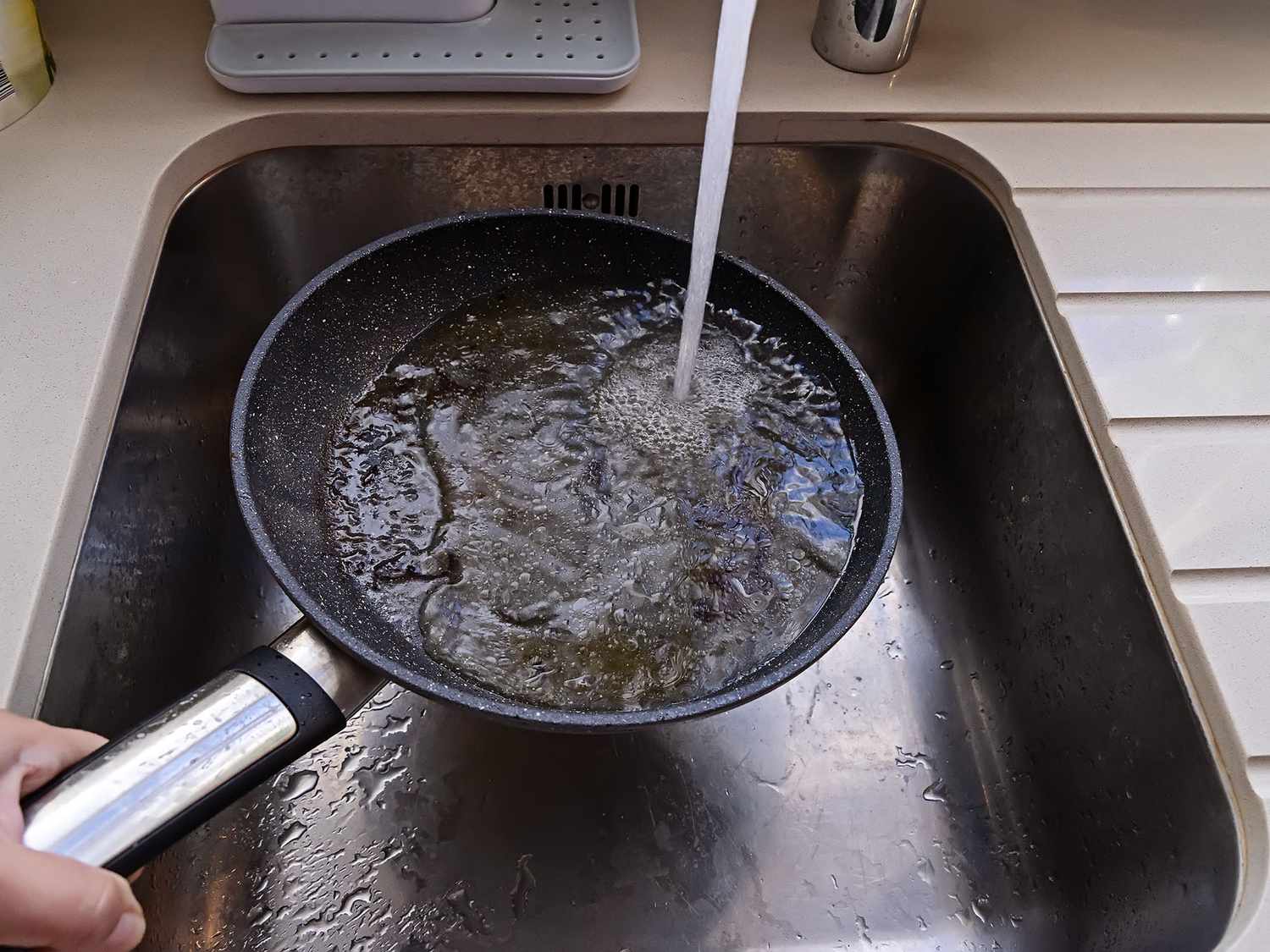
Burnt-on food can transform cooking from a joyful experience into a frustrating cleanup nightmare. Whether you’re a kitchen novice or a seasoned chef, no one enjoys scrubbing stubborn food residue off their pans, stovetops, or ovens. The smell of burnt food lingering in your kitchen is equally unpleasant and can even affect the taste of your next meal.
The good news is that removing burnt-on food doesn’t have to involve endless scrubbing or expensive chemical cleaners. With the right tools, natural remedies, and step-by-step methods, you can restore your cookware and appliances to their sparkling best. In this guide, we’ll show you how to remove burnt-on food from ovens, cooktops, and pans using practical, effective, and safe cleaning techniques.
How to Clean Burnt-On Food from Pans
Pans are the most common victims of burnt-on food, and cleaning them properly can extend their lifespan while saving you time and energy in the kitchen. Here are some of the most effective methods:
1. Dishwasher Tab Method
One surprisingly effective method is using a dishwasher tablet:
-
Fill the burnt pan with warm-to-hot water.
-
Drop in a dishwasher tab without removing the pan’s coating.
-
Let it sit for 2–3 hours or overnight if the residue is very stubborn.
The concentrated cleaning agents in the tablet slowly dissolve burnt-on food, making it easier to wipe or lightly scrub. This method works for both non-stick and stainless steel pans, leaving them ready for your next cooking adventure.
2. Baking Soda and Aluminum Foil Scrub
If you don’t have a dishwasher tab, baking soda paired with aluminum foil can tackle stubborn residue effectively:
-
Rinse the pan with hot water to loosen debris.
-
Sprinkle 2 tablespoons of baking soda over the burnt area.
-
Add a few teaspoons of hot water to form a paste.
-
Scrub the area gently using a crumpled piece of aluminum foil. Repeat as needed.
-
Rinse thoroughly with warm water and soap.
This method works especially well on stainless steel pans, avoiding harsh chemicals while effectively removing tough stains.
Cleaning Burnt-On Food from Your Cooktop
Cooktops, whether gas or electric, can accumulate grease and food particles quickly. Regular cleaning prevents buildup and keeps your kitchen hygienic.
1. General Burnt-On Grime
For everyday burnt-on residues:
-
Ensure the cooktop is fully cooled.
-
Mix baking soda with warm water to form a paste.
-
Apply the paste to burnt spots and let it sit for 15–20 minutes.
-
Scrub gently with a non-abrasive cloth or sponge.
This method loosens minor burnt-on food without scratching your cooktop surface.
2. Caked-On Residue
For stubborn layers of burnt food:
-
Sprinkle the area with baking soda.
-
Spray distilled white vinegar over the paste until moistened.
-
Cover with a hot, damp towel for 15 minutes.
-
Scrape away softened food residue carefully.
The combination of baking soda and vinegar creates a natural chemical reaction that breaks down hardened grime, saving you from intense scrubbing.
3. Greasy Burnt Spots
For oily or greasy residues:
-
Mix a few teaspoons of lemon juice into a cup of white vinegar.
-
Spray onto the grease-stained area.
-
Let it sit for 10 minutes, then wipe with a microfiber cloth.
Lemon juice adds a fresh scent while cutting through tough grease, leaving your cooktop sparkling clean.
Removing Burnt-On Food from the Oven
Ovens often accumulate the most stubborn burnt-on food due to high temperatures. Without proper cleaning, residue can smoke, emit odors, and even trigger fire alarms. Here’s how to clean your oven efficiently:
1. Preparation
-
Remove all racks and pans for unobstructed access.
-
Wipe out large chunks of food with a paper towel.
-
Protect nearby surfaces by laying down newspapers or kitchen towels if necessary.
2. Baking Soda Paste Method
-
Mix ½ cup of baking soda with 2–3 tablespoons of water to form a thick paste.
-
Spread the paste generously over burnt-on spots inside the oven.
-
Leave the paste overnight or at least 8–12 hours for best results.
3. Optional Vinegar Reaction
For extra-stubborn stains, spray a small amount of vinegar over the baking soda paste. The bubbling reaction helps lift and loosen hardened food residue, reducing scrubbing effort.
4. Final Cleanup
-
Wipe away the baking soda and loosened food using a damp cloth.
-
Repeat if necessary for heavily baked-on grime.
-
Rinse thoroughly and allow the oven to air dry before using.
Tips for Maintaining Clean Cookware and Appliances
Keeping your pans, cooktops, and ovens clean is easier than constantly fighting burnt-on food. Here are some preventive tips:
-
Regular Wiping: After cooking, allow pans and stovetops to cool slightly, then wipe off food spills immediately.
-
Use Silicone or Wooden Utensils: Avoid metal utensils on non-stick pans to prevent scratches that trap food residue.
-
Layer Protection: Lining baking trays with parchment paper or silicone mats reduces food sticking.
-
Scheduled Deep Cleaning: At least once a month, perform a thorough clean of ovens and stovetops to prevent buildup.
-
Avoid High Heat on Empty Pans: This minimizes the risk of food burning and sticking.
Natural Alternatives and Eco-Friendly Cleaning Options
For those who prefer natural cleaning solutions:
-
Lemon and Salt: Sprinkle salt on the pan, rub with a cut lemon, and rinse. This works well for stainless steel and cast iron pans.
-
Vinegar Steam: Boil equal parts water and vinegar in a pan or on the stovetop to loosen burnt food.
-
Baking Soda Soak: Soak utensils and cookware in warm water with 2–3 tablespoons of baking soda to lift stubborn residues.
These eco-friendly solutions avoid harsh chemicals while keeping your kitchen safe for family and pets.
Conclusion
Burnt-on food doesn’t have to ruin your cooking experience. With the right combination of natural remedies, baking soda, vinegar, and a few simple tools, you can clean ovens, cooktops, and pans efficiently and effectively. Remember to act quickly after cooking, follow proper cleaning techniques, and maintain regular kitchen upkeep to prevent stubborn residue from forming.
By following these methods, you’ll enjoy a sparkling kitchen, longer-lasting cookware, and more enjoyable meals—without the stress of endless scrubbing or lingering burnt smells.