Hard water in your home can be more than just a minor inconvenience. While it is safe to drink, it leaves behind mineral deposits that can accumulate on your faucets, toilets, sinks, and showers. Over time, this buildup, often called hard water stains, can become stubborn, unattractive, and even damaging to your fixtures. Fortunately, you can eliminate these stains quickly using easy, DIY cleaning solutions made from ingredients you likely already have at home. This comprehensive guide will show you exactly how to tackle hard water stains effectively and maintain sparkling clean surfaces throughout your home.
What Are Hard Water Stains?
Hard water is water that contains a high concentration of minerals, primarily calcium and magnesium. When hard water evaporates, these minerals are left behind, creating a residue that forms unsightly stains on the surfaces it touches.
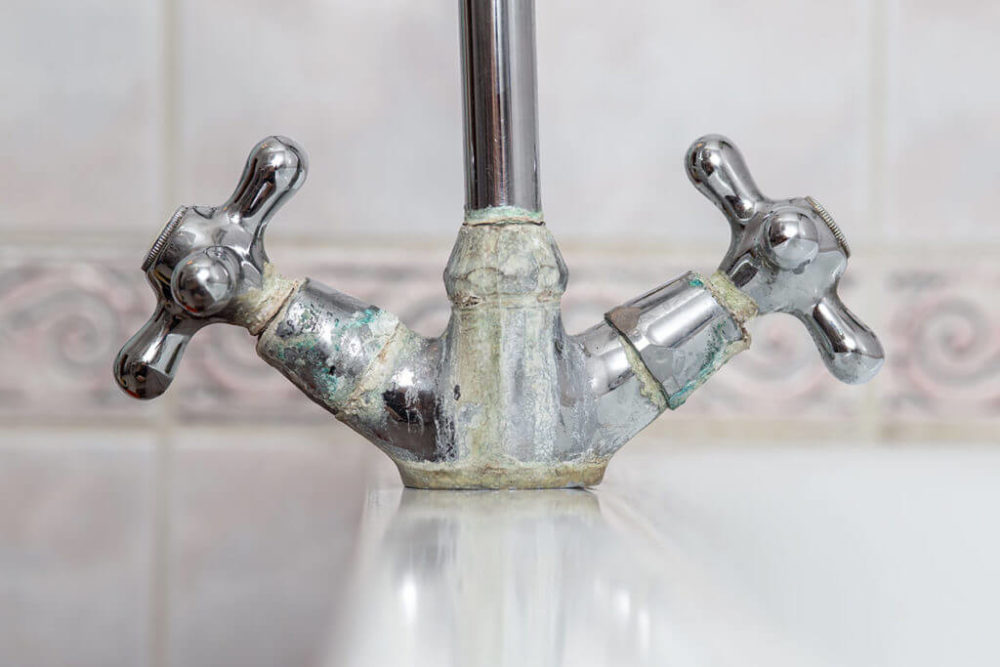
Hard water stains can appear in several colors. Commonly, they are cloudy white, but they can also be reddish-brown or dark brown depending on the specific minerals present in your water. These stains are particularly noticeable on glass, ceramic, stone, and metal surfaces. The longer you let hard water sit, the more these minerals accumulate, making stains harder to remove. Regular cleaning is essential to prevent stubborn buildup and maintain the aesthetic and functional quality of your fixtures.
How to Remove Hard Water Stains from Your Home's Surfaces
Removing hard water stains can be simple if you know which natural products and DIY solutions work best for each surface in your home. Below are detailed instructions for tackling stains on glass, showers, toilets, faucets, and showerheads.
Removing Hard Water Stains from Glass
Glass surfaces such as shower doors, mirrors, and windows are particularly prone to hard water stains. The minerals in hard water can leave cloudy streaks that are difficult to remove with regular cleaners. The most effective solution for glass is a mixture of water and white vinegar.
Step-by-Step Instructions:
-
Mix equal parts water and white vinegar in a spray bottle.
-
Spray the solution generously on glass surfaces with hard water stains. Allow it to sit for about 30 minutes to break down the mineral buildup.
-
Scrub the stains gently using a lightly damp sponge. This should remove most of the residue.
-
If stubborn stains remain, make a paste by combining baking soda and water. Apply the paste to the remaining stains and let it sit for 30 minutes.
-
Scrub the paste with a soft-bristled brush or clean sponge until the residue is gone.
-
Rinse thoroughly with water and dry completely to prevent new stains from forming.
Regular use of vinegar and baking soda keeps glass surfaces sparkling and prevents long-term mineral buildup.
How to Remove Hard Water Stains from Your Shower or Bath
Shower tiles and stone surfaces require a gentler approach to avoid damage. Vinegar may etch natural stone, so an alternative cleaning agent like isopropyl alcohol works effectively.
Step-by-Step Instructions:
-
Mix 1 cup of water with ¼ cup of rubbing alcohol (isopropyl alcohol) in a spray bottle.
-
Spray the mixture on the stained areas of your shower or bath. Let it sit for 10–15 minutes to loosen mineral deposits.
-
Scrub the surface using a lightly damp sponge to remove buildup.
-
Rinse with hot water, making sure it’s safe to handle, and wipe clean to remove residue.
-
Dry thoroughly with a cloth or towel to prevent additional mineral accumulation.
For routine maintenance, cleaning showers weekly helps prevent mineral buildup from becoming difficult to remove.
Dealing with Hard Water Stains in Your Toilet
Toilet bowls are another hotspot for hard water stains, especially around the waterline where mineral deposits accumulate. A combination of vinegar and baking soda is highly effective for this purpose.
Step-by-Step Instructions:
-
Pour 1 cup of vinegar directly into the toilet bowl, making sure the stains are fully covered. Let sit for 5 minutes.
-
Sprinkle baking soda over the stained areas. Allow it to fizz for 10 minutes, as this reaction helps break down mineral deposits.
-
Add additional vinegar to the bowl and let it sit for 20 minutes to tackle tougher stains.
-
Scrub thoroughly with a toilet brush to remove all residue.
-
Flush to rinse away debris and leave the toilet sparkling clean.
Using this method weekly can prevent the formation of hard water rings and reduce the need for harsh chemical cleaners.
How to Remove Hard Water Buildup from a Faucet or Showerhead
Faucets and showerheads can be particularly tricky to clean due to their intricate designs. Vinegar is an excellent natural cleaner that dissolves mineral deposits effectively, especially when combined with a microfiber cloth.
Step-by-Step Instructions:
-
Soak a microfiber cloth in vinegar. Paper towels may also work if a microfiber cloth is unavailable.
-
Wrap the soaked cloth around the faucet or showerhead, using rubber bands to secure it if needed.
-
Let it sit for about one hour, allowing the vinegar to dissolve the hard water buildup.
-
Remove the cloth and scrub any remaining stains with a soft-bristled brush or sponge.
-
Rinse thoroughly with water and dry with a clean cloth.
For removable showerheads, soaking them directly in a bowl of vinegar for 30–60 minutes is an even more effective alternative.
Additional Tips for Preventing Hard Water Stains
-
Wipe Surfaces Dry – After using sinks, showers, or tubs, wipe down surfaces with a dry cloth to prevent mineral buildup.
-
Install a Water Softener – Consider installing a water softening system to reduce the minerals in your water and minimize future stains.
-
Regular Maintenance – Weekly cleaning using natural solutions like vinegar and baking soda can significantly reduce hard water residue over time.
-
Use Squeegees on Glass – For glass shower doors, a squeegee after each use prevents mineral deposits from forming.
By implementing these tips along with targeted cleaning, your home can remain spotless and free from hard water stains with minimal effort.
Conclusion
Hard water stains are a common household problem, but they don’t have to be permanent or unsightly. Using simple DIY solutions like vinegar, baking soda, and rubbing alcohol, you can remove mineral buildup from glass, showers, toilets, and faucets efficiently. With regular maintenance and preventive measures, you can enjoy sparkling clean surfaces throughout your home without relying on harsh chemicals.